
The Problem Hiding Inside Your Pipes Right Now
The American Society of Home Inspectors has revealed that plumbing problems are among the most common issues discovered during home inspections - they were found in over 40% of the homes inspected nationwide. Most of these problems had not suddenly appeared. They had been developing slowly and silently behind walls and floors while homeowners were completely unaware. If you've been ignoring slow drains or the occasional gurgling sounds in your Waco house, you should know that getting your expert drain cleaning in Waco is not just a nice-to-have service - it's one of the most effective ways to shield your home from a minor problem turning into a very costly repair.
What Does Drain Cleaning Actually Do for Your Home?
Start from the beginning. Drain cleaning involves removing the materials build up inside your pipes such as fats, oils, soaps, hair, mineral deposits, dirt, and other debris which gradually cause the pipes to clog.
If you think about your drain pipes as a garden hose. When the hose is free of any blockages, water runs effortlessly. If someone puts a bunch of leaves and dirt inside the hose, the water flow slowdown and eventually halts. Drain cleaning helps to eliminate the debris so that your plumbing system can operate in the manner it is expected to.
However, the truth that most people are unaware of is that it does not just solve a slow drain. It may also reveal potential problems inside your pipes before they become disasters.
Why Do Waco Homeowners Deal With So Many Drain Issues?
Waco's weather has a major effect on plumbing that most people don't even think about. The region experiences hot summers, few cold snaps in winter, and different types of soil - some with a lot of clay and others with more sand - depending on the area. All of these influence pipes in various ways.
Clay soil expands and shrinks as it gets wet and dries out. This movement gradually applies pressure on buried pipes, almost pulling the joints apart. Roots of trees - which are common in mature Waco neighborhoods - track down moisture and penetrate the sewer lines through small cracks, eventually causing major blockages.
Central Texas is also affected by hard water. Calcium and magnesium in the water supply leave behind a film on piping that accumulate over the years. These deposits restrict the cross-section of pipes quite the same way that plaque does the arteries - and the end result is the same. Decreased flow, increased pressure, and a system that is overworked.
How Do You Know When Your Drains Need Professional Cleaning?
What Are the Warning Signs Most Homeowners Miss?
Some symptoms of faulty drains can be quite evident such as the case when the orifice does not empty for minutes after the water supply has been turned off. However, some are so minor that most tend to ignore them until it is too late.
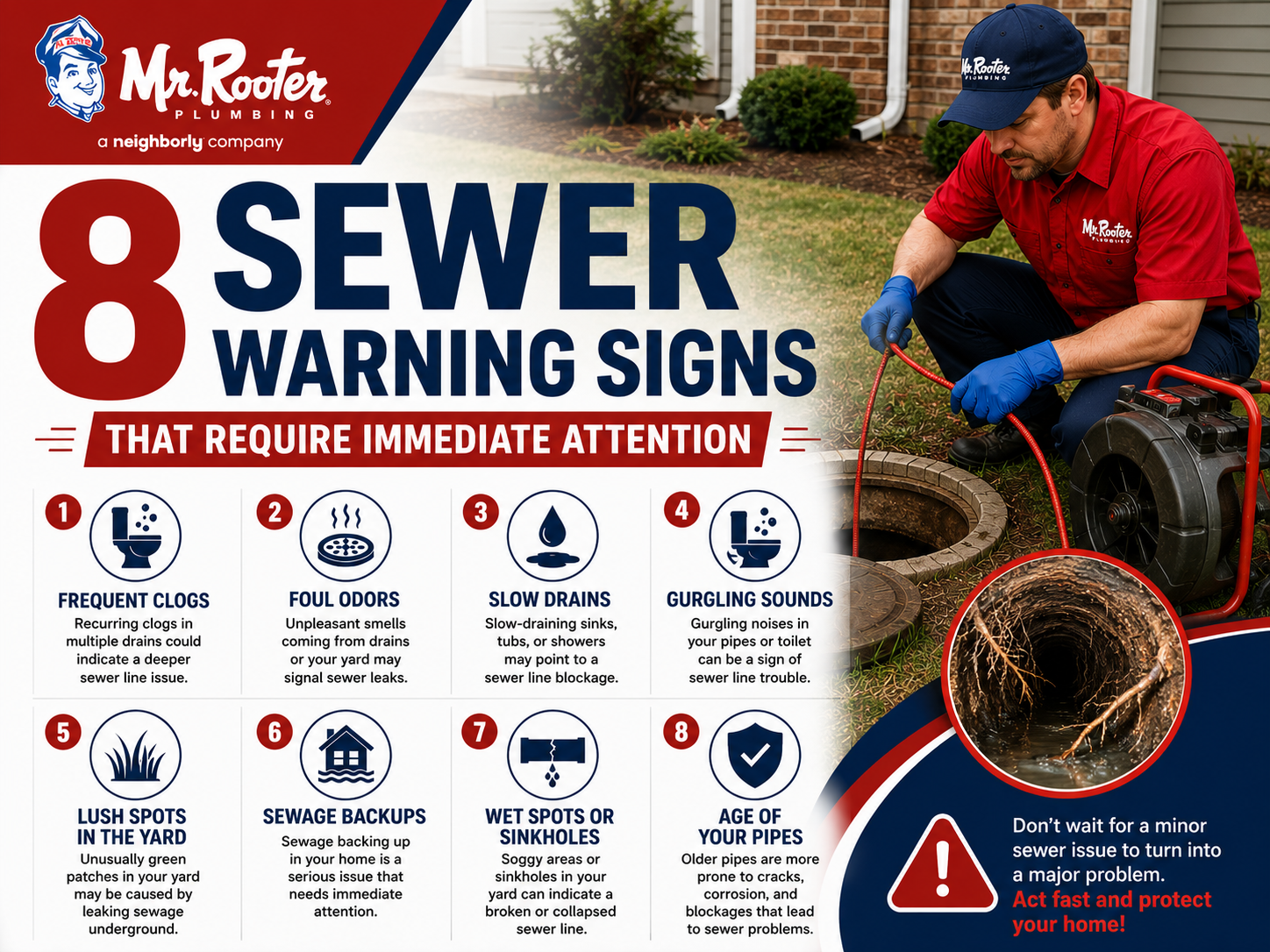
Gurgling sounds from your toilet or sink. That sound is actually air trying to get out through the water layer. It often indicates that there is a partial blockage in the drain pipe and that your air vents are not functional.
Multiple drains slowing down at the same time. A single slow drain may indicate a local clog. Two or three drains working poorly simultaneously usually point to a blockage further down the main line - a more serious problem.
Is a Slow Drain Really That Big of a Deal?
It sure is - especially if it is slow for quite some time. A drain working at half the normal capacity is not only inconvenient but also an indication that the pressure is rising in the pipe joints which cannot be seen. Pipes and joints are not made to withstand such stresses indefinitely.
EPA's WaterSense program points out that even small plumbing inefficiencies accumulate over time and eventually lead to system failures. What you are dealing with today while a slow drain that costs $150 to clean can be a $4000 repair of a cracked pipe or a sewage backup by next spring.
What Happens Inside Your Pipes When Drains Are Neglected?
What Does Buildup Actually Look Like Inside a Drain?
It is like pouring cooking grease into a sink after making a meal. At first, it goes down the drain like a liquid but as the pipes get cooler the grease hardens and clings to the pipe walls. When you do it again the next time, one more layer covers the existing layer. After several months and years of doing this, the coating becomes so thick that the cross-section of the pipe is reduced to half of the original one.
If you add hair from the bathroom drain, soap scum from daily showers, and food particles from the kitchen, the situation with the pipes becomes even more horrible first of all since the chambers are hidden from view.
Can Neglected Drains Cause Structural Damage to a Home?
Yes, this is the point where the issue becomes serious. When drain lines get clogged beyond just causing backwater or a slow leak due to pipe joint stress, water doesn't just stay in the pipe. It leaks somewhere.
Ongoing moisture under a slab foundation - something very common in Waco as many homes are built on concrete slabs - can cause the soil to erode and the foundation to settle unevenly. This will cause cracks in the walls, doors that do not open easily and floors that move.
Presence of moisture under a home and inside walls allows mold to thrive. CDC has linked it to respiratory issues and other health effects. Mold remediation may be very costly and run anywhere from $2,000 - $6,000 whether the growth is widespread or not.
What Works and What Doesn't When Cleaning Drains?
Are Chemical Drain Cleaners Safe to Use?
Homeowners ask this question most frequently and the honest answer is that they do work sometimes but at the same time they have several drawbacks.
Chemical drain cleaners contain highly caustic substances - usually lye or sulfuric acid - which dissolve organic buildup. However, those very chemicals also tend to wear down pipe materials, especially the older ones made of PVC and metal. Also, chemical cleaners rarely remove the entire clog but rather create an opening through part of it leaving residue behind.
Most plumbers will tell you that frequent use of chemical drain cleaners in older homes of Waco with aging pipe systems is a waste of counterproductive. They can provide temporary relief while quietly damaging the pipe itself.
What Methods Actually Work Long-Term?
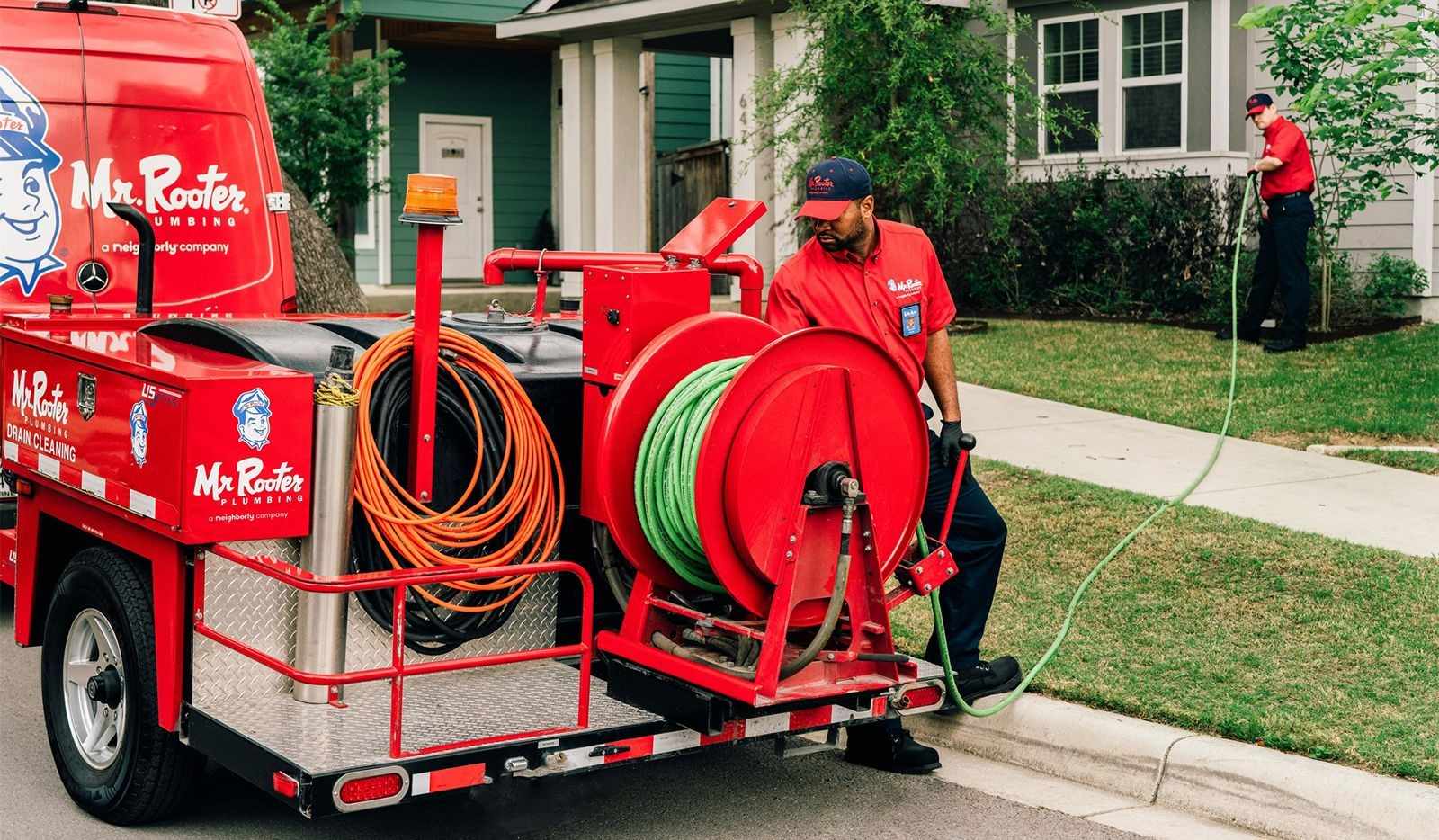
Hydrojetting. Out of all the options, this one is the most powerful. Under very high pressure water is supplied in the pipe which tears away deposits, grease, minerals, and even little root intrusions. It is a very deep cleaning procedure that reaches the full interior of the pipe instead of just breaking through a clog.
Drain Snaking (augering). A cutting head fitted to a mechanical cable is pushed into the drain where it is rotated to loosen the debris. It is a good solution for local blockages and is easier on pipes compared to chemicals. With minor clogs, it is normally the first step.
Camera inspection combined with cleaning. A small waterproof camera is run through the drain line to reveal exactly what is inside before and after cleaning. This is the only way to know if the job actually worked and whether there are underlying problems that cleaning alone won't fix.
How Often Should You Get Your Drains Professionally Cleaned?
As a rule of thumb, plumbing experts suggest professional drain cleaning at least once every 18 to 24 months for a normal home. Larger households, homes with older pipe systems, or homes where a lot of cooking is done greatly benefit from yearly service.
If your Waco property is one that has aged considerably - was built before 1985 - then it is very likely that you have galvanized steel or cast iron drain lines that have been accumulating deposits for decades. Such homes can really benefit from annual cleaning and regular camera inspection.
Concerning kitchen drains, the grease and food particle deposits get you faster than you can ever imagine. In a house where cooking is done regularly every six months is pretty reasonable.
Professional Drain Cleaning vs. Ignoring It — The Real Cost Difference
Let's put some real figures on this.
In the Waco region, drain cleaning professionals typically charge from $100 to $300 depending on the drain location, method used, and the extent of buildup. This will be more with a sewer camera inspection but the latter will give you a full picture of what is taking place underground.
Compare that to what happens when things go wrong without maintenance:
According to national restoration industry statistics, a sewage backup inside your home will cost you with an average of $3,000 to $7,000 in cleanup and repairs. Excavation and repair of a cracked sewer line can set you back $4,000 to $12,000. In fact, foundation repairs caused by continual moisture will easily exceed $10,000.
The math is rather simple. Paying a couple of hundred dollars every year or two for professional drain cleaning is really one of the most reasonable maintenance investments a homeowner can make.
How Mr. Rooter Plumbing of Waco Keeps Your Drains and Home Protected
Mr. Rooter Plumbing of Waco is the go-to drain cleaning service in town that doesn't just snaking and going but they also thoroughly checking what is going on in your plumbing system.
They offer both hydrojetting and snaking to clean the pipes so they will be sure to use the technique which is most suitable to your pipe situation.
Call Mr. Rooter Plumbing of Waco if you want to get ahead of your plumbing problems rather than be stuck with them.
Conclusion
Here's the thing about plumbing — it's one of those systems in your home that works silently in the background every single day. When it's working right, you never think about it. When something fails, it becomes the only thing you think about.
The homeowners who take drain maintenance seriously are the ones who avoid the nasty surprises. They're not smarter or luckier - they just didn't wait until water was backing up into their living space to pick up the phone.
Clean drains protect your pipes, your floors, your walls, your foundation, and your wallet. It's that straightforward. If it's been a while since you've had your drains looked at - or if something feels a little off with your plumbing - Mr. Rooter Plumbing of Waco is the call worth making today instead of tomorrow.
Frequently Asked Questions
Q: How long does a professional drain cleaning take?
Most standard drain cleaning jobs take one to two hours. If hydrojetting or a camera inspection is included, it might run a bit longer depending on access and the size of the system.
Q: Can tree roots really get into my home's drain pipes?
Yes, and it's more common in Waco's older neighborhoods than most people realize. Roots follow moisture and work into pipe joints and cracks over time. Camera inspection is the only reliable way to spot this early.
Q: Is it safe to use a drain cleaning product while waiting for a plumber?
It's better to avoid it. Chemical cleaners can react with tools and create a hazard for the technician, and they can degrade certain pipe materials. Just limit water use until the plumber arrives.
Q: What's the difference between snaking and hydrojetting?
A drain snake breaks up a clog. Hydrojetting cleans the entire pipe wall with high-pressure water. Snaking is faster and works well for simple clogs; hydrojetting is more thorough and better for heavy buildup or grease.
Q: Does Mr. Rooter Plumbing of Waco offer drain cleaning for commercial properties?
Yes. Mr. Rooter Plumbing of Waco services both residential and commercial properties throughout the Waco area and surrounding McLennan County communities.






Write a comment ...