
Drain problems have a sneaky way of starting small and getting bad fast. One day your kitchen sink is draining a little slow, and you figure it's nothing. A couple of weeks later, there's standing water that won't go down and a weird smell coming up from the drain, and you're wondering if you should have done something sooner. Honestly? You probably should have.
Most homeowners try to handle drain issues on their own first and that's totally understandable. You grab a plunger, maybe pour some store-bought drain cleaner down the pipe, and hope for the best. Sometimes it works. But a lot of times, those quick fixes just delay the real problem. That's where professional drain cleaning in Waco comes in. When you know the signs that a drain issue has moved beyond DIY territory, you can act before things get really messy and really expensive.
In this post, we're breaking down exactly when it's time to stop guessing and call a licensed plumber. We'll cover the warning signs, what usually works and what doesn't, and why getting ahead of drain problems always beats waiting until it's an emergency.
1. Your Drain Is Slow And It Keeps Coming Back After Drain Cleaning Attempts
A slow drain once in a while isn't necessarily a crisis. Hair gets caught in bathroom drains. Grease builds up in kitchen sink pipes. These things happen. The problem is when you clear it yourself and a week later, same thing. Then you do it again. Then again.
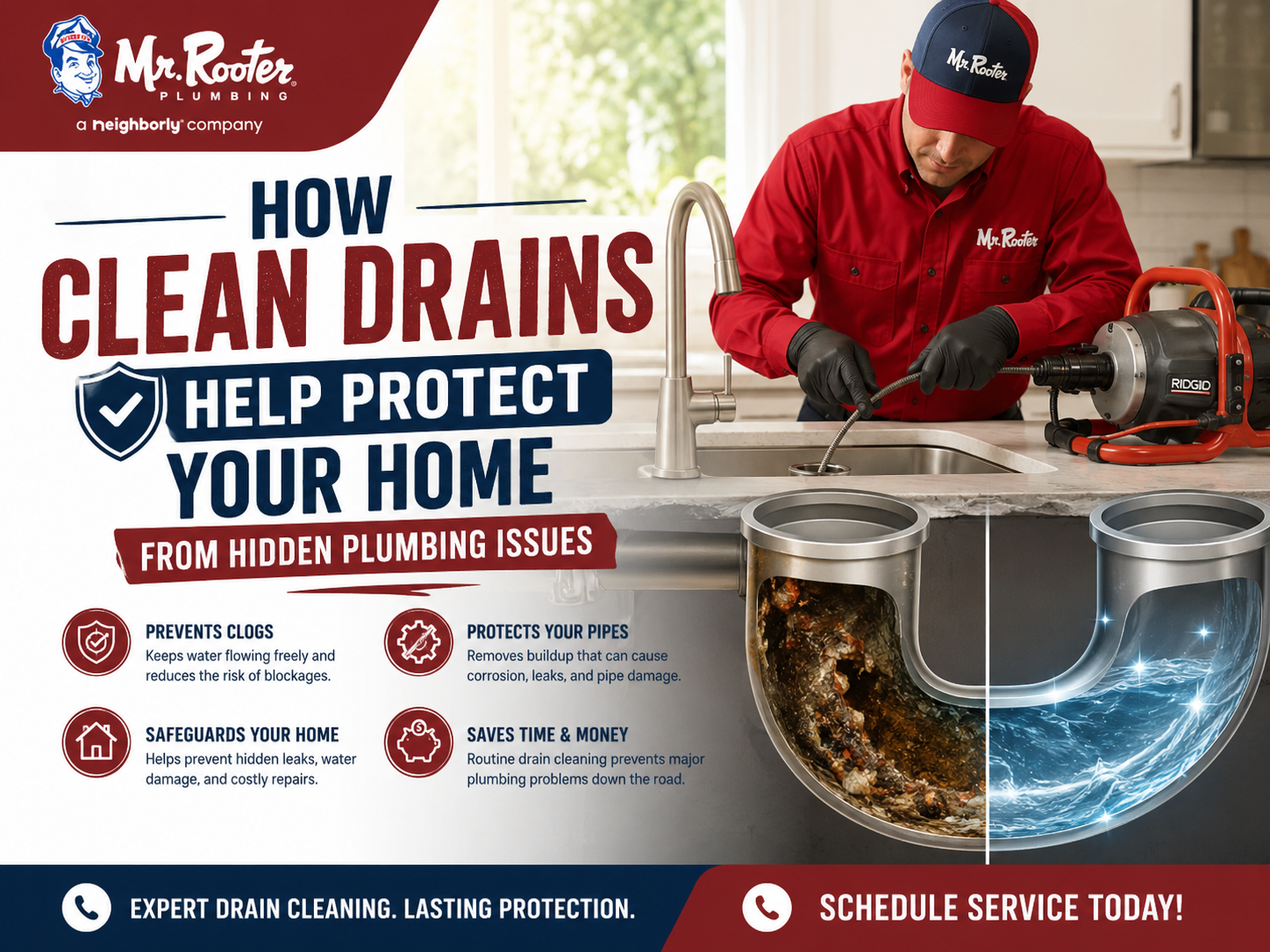
Recurring slow drains almost always mean something is partially blocking the line further down than a basic drain snake or chemical cleaner can reach. Over time, soap scum buildup, grease accumulation, and mineral deposits coat the inside of your pipes and gradually narrow the passage for water. No amount of plunging fixes that. It just pushes the clog down a little further.
What usually fails here is relying on liquid drain cleaners too heavily. They're caustic, they don't fully dissolve the buildup, and they can actually damage older pipes over time. A professional uses tools like a motorized drain auger or hydro-jetting to clear the entire line not just temporarily punch through it.
If your slow drain keeps coming back within a few weeks of clearing it yourself, that's your cue to stop wasting money on products that don't work and call a plumber who can actually fix it.
2. Multiple Drains Are Clogged at Once A Clear Sign You Need Professional Drain Help
This one is a big deal, and it gets misread all the time. When one drain is slow, it's usually a localized problem. When two or three drains in your home are acting up at the same time your bathtub, your bathroom sink, maybe your toilet draining sluggishly that's not a coincidence.
Multiple clogged drains at the same time almost always point to a blockage in your main sewer line. All the individual drains in your home feed into that one main line, and if something is blocking it whether it's years of buildup, a collapsed section of pipe, or tree root intrusion everything downstream gets affected.
This is not something you can fix with a plunger or a bottle of drain cleaner. Trying to clear individual drains when the real issue is in the main sewer line is like mopping the floor while the faucet is still running. You need a professional with the right camera equipment to actually see what's going on inside the pipe and the right tools to fix it.
Left alone, a main sewer line blockage will eventually lead to sewage backup and that is a genuinely nasty, expensive situation. Don't wait for that to happen.
3. There's a Foul Smell Coming From Your Drains That Won't Go Away
A little smell from the drain every now and then? Probably just debris near the drain opening. But a persistent bad smell that seems to come from inside the pipe, that gets worse over time, and that no amount of cleaning seems to fix that's a different story.
Foul drain odors usually mean one of a few things. First, there could be a significant buildup of organic material food waste, hair, grease decomposing somewhere inside the drain line. Second, the smell might actually be coming from your sewer vent pipe, which can get blocked and cause sewer gases to back up into your home. Third, and most seriously, it could indicate a break or crack somewhere in your drain or sewer system that's allowing sewer gas to escape.
Sewer gas isn't just unpleasant. It contains hydrogen sulfide and methane, which can be harmful in higher concentrations. If the smell is strong, widespread, or accompanied by any physical symptoms like headaches or nausea, you should call a plumber immediately — and ventilate the home in the meantime.
Pouring baking soda and vinegar down the drain doesn't fix a sewer vent issue or a cracked pipe. Only a professional inspection can identify where the smell is coming from.
4. You Hear Gurgling Noises From Your Pipes or Toilet After Drain Use
If you flush the toilet and then hear a gurgling sound from the bathroom sink, or you drain the tub and hear bubbling coming from the toilet pay attention. That gurgling sound is your plumbing system telling you air is trapped somewhere it shouldn't be.
Gurgling noises happen when a partial blockage somewhere in the line forces air to push back up through nearby fixtures. It's basically the pipe trying to compensate for a restriction in the flow. It's also one of those warning signs that a lot of people ignore until the problem gets significantly worse.
In some cases, gurgling is caused by a blocked drain vent stack the pipe that runs up through your roof and allows air into the drain system to keep water flowing properly. Leaves, bird nests, and debris can block vent stacks, especially here in Texas where the weather can push all kinds of things into open pipe openings.
Clearing a vent stack or diagnosing a blockage causing gurgling is not a DIY job. You need someone who can safely access the roof, run a camera through the line, and identify exactly where the air restriction is coming from.
5. Water Is Backing Up Into Other Fixtures When You Use the Sink or Shower
This is one of the clearest signs that your drain problem has reached a level where you absolutely need professional help. If you run the kitchen sink and water starts coming up in the laundry tub, or you take a shower and the toilet water rises slightly your plumbing system is under serious pressure from a downstream blockage.
Water backing up into other fixtures means the blockage is far enough down the line that water has nowhere else to go. It physically cannot get past the clog, so it finds the path of least resistance which is usually another nearby fixture. This is not a warning sign anymore. This is the problem actively happening.
At this point, using more water running the dishwasher, doing laundry, taking showers is only going to make things worse. Stop using water as much as possible and call a plumber right away. The longer you wait, the greater the risk of a full sewage overflow inside your home, which brings water damage, contamination, and a much larger cleanup bill along with it.
6. Your Water Bill Has Gone Up for No Obvious Reason Check Your Drain and Pipe System
This one surprises a lot of people. Most homeowners don't think of a rising water bill as a drain problem, but the two can be connected. If there's a crack or break somewhere in your drain or sewer line particularly underground, water can seep into the ground continuously without you ever seeing it inside your home.
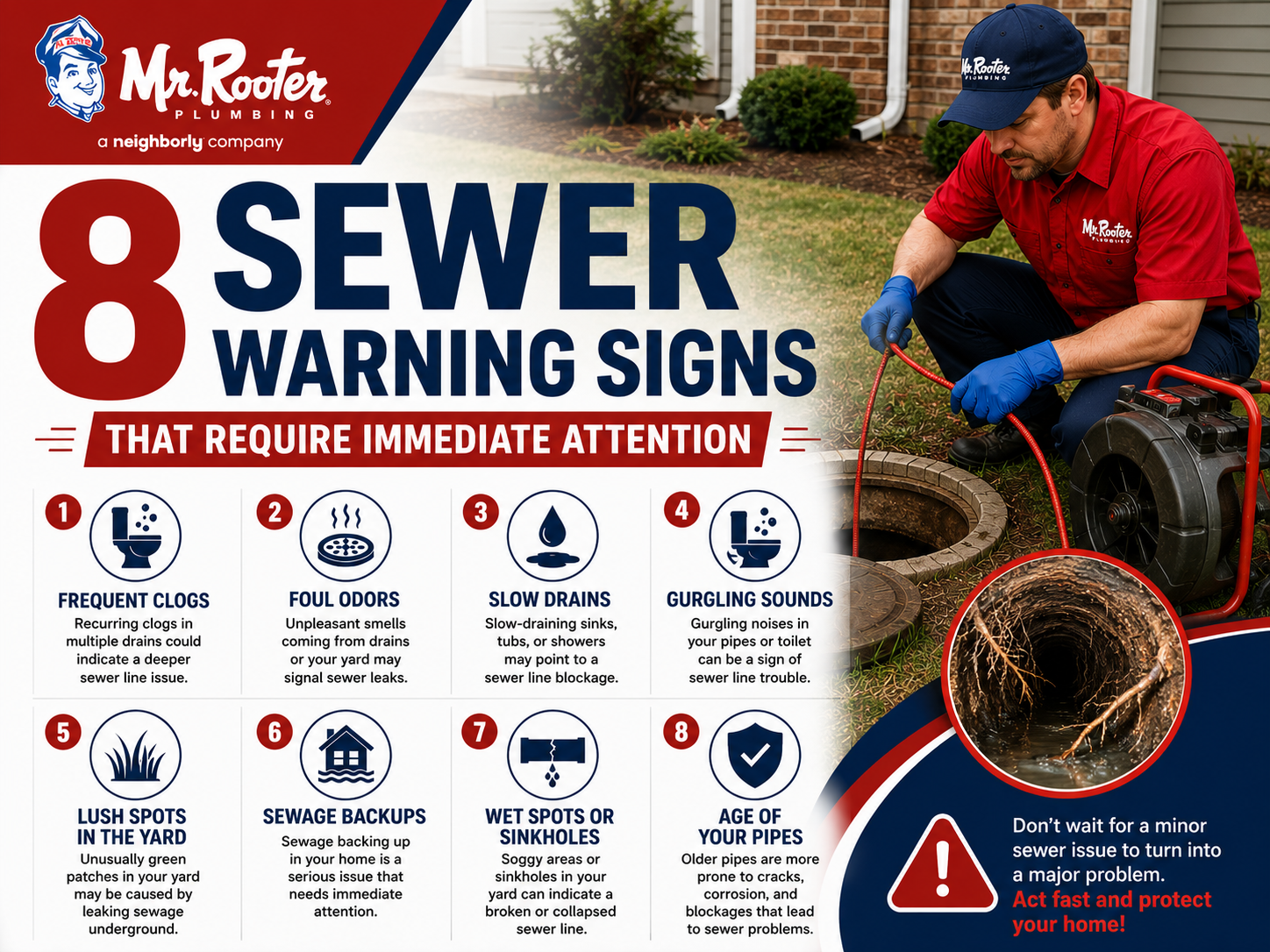
Unexplained wet patches in your yard, unusually green or lush grass in one particular area, or soft ground near the foundation of your home are all signs that something might be leaking underground. A broken drain or sewer pipe doesn't just waste water it can also attract pests, destabilize the soil around your foundation, and eventually cause much more serious structural problems.
A professional plumber can use video pipe inspection technology to run a camera through your drain and sewer lines and identify any cracks, root intrusion, or separated joints without having to dig up your yard. Getting ahead of an underground pipe issue before it becomes a foundation problem is one of the most cost-effective things you can do as a homeowner.
The "Minor Smell" That Turned Into a Sewer Line Problem A Waco Homeowner's Story
A homeowner in a residential neighborhood outside Waco started noticing a faint but unpleasant smell near the first-floor bathroom in early summer. They figured something had gotten caught in the drain and poured a bottle of drain cleaner down the sink. The smell improved for a few days, then came right back.
Over the next month, they noticed the bathroom drain getting slower, and eventually the toilet started making a faint gurgling sound after flushing. Still thinking it was just a simple clog, they borrowed a hand snake from a neighbor and ran it through the drain. It seemed to clear, but within two weeks everything was back to how it was slow drain, gurgling toilet, and the smell getting noticeably stronger.
When they finally called a professional plumber, a video inspection of the sewer line revealed a significant buildup of grease and debris nearly 30 feet down the line, combined with early-stage tree root intrusion from a large oak in the front yard. The roots had worked their way into a joint in the clay sewer pipe and were slowly collecting debris as water passed through.
A hydro jetting service cleared the line completely, and the root entry point was sealed. The entire job took a few hours. Had the homeowner waited much longer, the roots would have continued growing inside the pipe and eventually caused a full blockage or pipe collapse which would have meant a much more expensive excavation and sewer line replacement.
Frequently Asked Questions
1. Can I use chemical drain cleaners regularly to prevent clogs?
Not really, no. Chemical drain cleaners can dissolve some soft clogs in the short term, but they're harsh enough to slowly damage the inside of your pipes especially older PVC or metal pipes. They also don't fully remove buildup along the pipe walls the way hydro jetting does. Using them occasionally in a pinch is one thing, but relying on them as regular maintenance tends to cause more problems down the line.
2. How often should drains be professionally cleaned?
For most homes, once a year is a solid preventive schedule. If you have a large household, older plumbing, or a history of recurring clogs, twice a year makes more sense. Commercial kitchens and restaurants should schedule professional drain cleaning more frequently because of the high volume of grease and food waste going through the lines.
3. What's the difference between snaking a drain and hydro jetting?
Snaking uses a flexible metal auger to physically break apart or pull out a clog. It's effective for many common blockages but doesn't clean the pipe walls. Hydro jetting blasts high-pressure water through the entire pipe, scrubbing the walls clean of grease, mineral buildup, and debris. It's a much more thorough solution for serious or recurring problems. Your plumber will recommend whichever is more appropriate for your situation.
4. Is a gurgling drain really that serious?
It depends on how often it's happening and which fixtures are affected. Occasional gurgling right after heavy use might be nothing. But if it's happening consistently, or if you're hearing it in fixtures that weren't just used, it usually points to a partial blockage or vent pipe issue that's worth having inspected. Consistent gurgling that goes ignored tends to get progressively worse.
5. How do I know if the problem is in my drain line or the main sewer line?
The clearest indicator is how many fixtures are affected. One slow drain usually means a localized clog in that specific line. Multiple drains or toilets backing up or draining slowly at the same time almost always means the issue is in the main sewer line. A professional inspection with a camera is the only reliable way to know for sure.
Conclusion
Drain problems are one of those things that have a way of sneaking up on you. They start small a little slow, a faint smell, a gurgle you hear once and then forget about. But most of the time, those early signs are your plumbing system asking for help. The homeowners who act on those early signs almost always end up spending a lot less money and dealing with a lot less stress than the ones who wait until there's sewage on the floor.
If any of the signs in this post sound familiar, don't put it off. At Mr. Rooter Plumbing of Waco, we handle drain issues of all kinds from simple clogs to full sewer line inspections for homeowners and businesses across the Waco area. Our team at Mr. Rooter Plumbing of Waco is upfront about what's going on, what it will take to fix it, and what it will cost before any work begins. No surprises, no unnecessary upsells, just honest plumbing done right.





Write a comment ...