
Most homeowners don't think about their sewer line until it's too late. By the time raw sewage backs up into a tub or yard, the damage bill is already climbing. According to the U.S. EPA, there are at least 23,000 to 75,000 sanitary sewer overflows every single year across the country, and grease, roots, and aging pipes are the usual culprits. If you've noticed something off with your plumbing, that's your cue to look into professional sewer repair in Waco before a slow problem turns into a flooded basement.
What Is a Sewer Line Problem, Exactly?
Your sewer line is the underground pipe that carries wastewater from your house to the city's main line or your septic tank. When it cracks, clogs, or collapses, waste has nowhere to go except back the way it came — into your home. A sewer problem isn't just a clog in one drain; it's a blockage or break somewhere in that main pipe that connects your whole house to the system.
Why Sewer Problems Catch Waco Homeowners Off Guard
Waco's mix of older neighborhoods near downtown and newer subdivisions out toward Hewitt and Woodway means pipe age varies a lot block by block. Clay and cast-iron pipes from decades ago crack and shift with our clay-heavy soil, while tree roots from mature oaks chase moisture straight into joints. Add in heavy spring rains, and you've got a recipe for backups that seem to come out of nowhere.
The tricky part is that sewer trouble rarely announces itself with a bang. It creeps in through small clues — a slow drain here, a weird smell there — until one day everything backs up at once. Most people miss the early signs simply because they don't know what to look for.
How Mr. Rooter Plumbing of Waco Helps
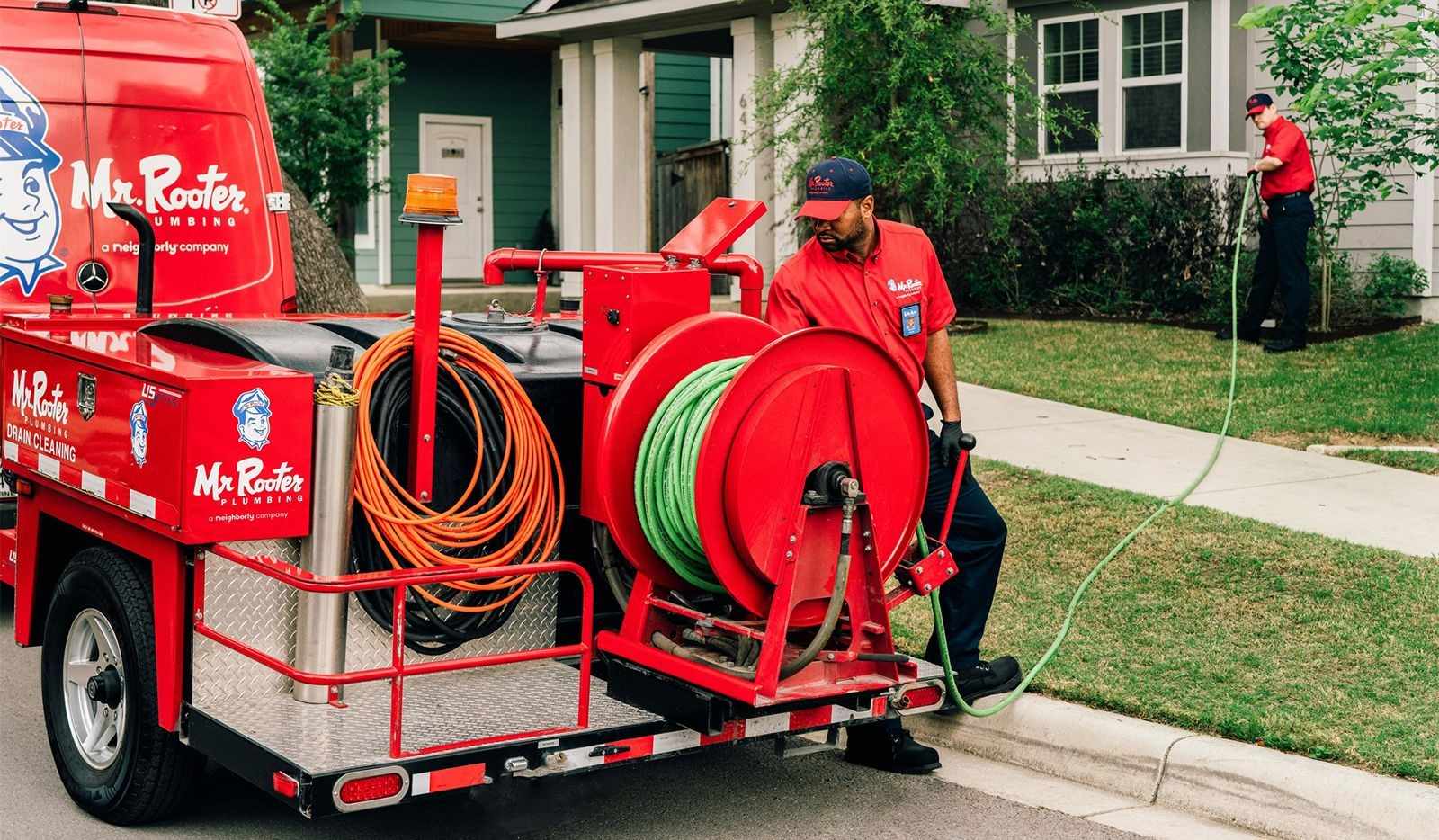
That's exactly where Mr. Rooter Plumbing of Waco comes in. Our team uses sewer cameras to see exactly what's happening inside the pipe before any digging starts, so you're not paying to guess. Whether it's a simple snake-and-clear job or full trenchless sewer line replacement, we diagnose the real cause instead of just treating the symptom.
1. Slow or Gurgling Drains in Multiple Fixtures
Why does more than one drain act up at once?
One slow sink is probably just that sink. But when your shower, toilet, and kitchen sink all drain slowly around the same time, that's a sign the blockage is downstream of all of them — likely in the main sewer line. Think of it like a single hallway that all the rooms in your house empty into; block the hallway, and every room backs up.
What should you do about it?
Don't just keep pouring drain cleaner down the pipe and hoping. Call a plumber for a camera inspection. Chemical cleaners can actually eat away at old pipes and make things worse over time.
2. Gurgling Sounds From Toilets When You Run Water
If your toilet bubbles or gurgles every time you run the washing machine or dishwasher, air is getting trapped and pushed back through the pipes because something downstream is blocking normal flow. It's the plumbing equivalent of blowing into a straw with your thumb over the other end — the air has to escape somewhere.
3. Sewage Smell Inside or Outside the House
Is that smell normal?
No. A properly sealed sewer system should never smell like rotten eggs or sewage, indoors or out. That odor usually means gas is escaping through a crack, a dry trap, or a break in the line itself.
Where does the smell usually come from?
Often it's near a floor drain, a basement, or a low spot in the yard where the pipe is closest to the surface. In Waco's older homes near La Vega or North Waco, this is frequently tied to aging clay pipe joints that have separated over the years.
4. Soggy, Sunken, or Extra-Green Patches in the Yard
A patch of grass that's suspiciously greener and lusher than the rest of your lawn — especially right above where you think your sewer line runs — is basically free fertilizer from a leak. Sewage is full of nutrients, so plants love it even when it's bad news for you. Combine that with soggy or sunken ground, and you're likely looking at a leaking or collapsed pipe underneath.
5. Frequent Clogs You Can't Explain
How many clogs are "too many"?
If you're plunging a toilet or unclogging a drain more than once a month with no obvious cause (no extra guests, no grease down the sink), that's not bad luck — it's a pattern. Recurring clogs in the same spot point to a partial blockage, often tree roots or a buildup of grease and debris, that keeps narrowing the pipe.
Why does this matter for sewer repair in Waco specifically?
Mature trees are everywhere in Waco's established neighborhoods, and roots are opportunistic. They'll find a hairline crack in a pipe and grow straight into it, slowly widening the gap until it's a full blockage.
6. Sewage Backing Up Into Tubs or Showers
This is one of the clearest red flags there is. If flushing the toilet causes water to bubble up into your bathtub or shower drain, the blockage is in the main line, not in any single fixture. It's an emergency-level sign and should be treated as one. Stop using water in the house and call for help right away.
7. Mold or Mildew Growth Indoors With No Obvious Source
Persistent dampness, mold, or a musty smell in a basement or crawl space — without a roof leak or plumbing leak you can see — can mean a sewer line is leaking slowly underground and feeding moisture into the soil around your foundation. Over time, that moisture works its way inside.
8. Foundation Cracks or Shifting Near the Sewer Line's Path
A leaking sewer line saturates the soil unevenly, and that soil shift can crack a slab foundation or cause doors and windows to stick. This is a slower, sneakier sign, but it's often the most expensive to ignore. Foundation repair costs run far higher than fixing a pipe early.
What Usually Works (and What Usually Fails)
Snaking a drain works great for a single clogged sink. It fails completely if the real problem is a cracked or root-invaded main line, because you're only clearing a few feet of pipe while the root system or crack keeps growing back. Camera inspection before any repair is what actually works, because it tells you whether you need a simple clearing, a spot repair, or trenchless pipe lining instead of tearing up the whole yard.
Pouring chemical drain cleaners down the line "just in case" usually fails too — it can corrode older pipes and create new leak points. A scheduled annual inspection, especially for homes over 25 years old, works far better and costs a fraction of an emergency repair.
Quick Takeaways
Multiple slow drains at once almost always points to the main line, not a single fixture.
Sewage smells, gurgling toilets, and unexplained green grass patches are early warnings most people dismiss.
Recurring clogs in the same spot usually mean roots or a partial blockage, not bad luck.
Backups into tubs or showers are an emergency — stop using water and call a plumber.
Camera inspections beat guesswork and chemical cleaners almost every time.
Final Thoughts
Sewer problems rarely fix themselves, and waiting almost always costs more than acting early. If you've spotted even one or two of these signs around your Waco home, it's worth getting a professional set of eyes — or a sewer camera — on the problem before it turns into a weekend ruined by a flooded bathroom. Mr. Rooter Plumbing of Waco has handled everything from simple root intrusions in older neighborhoods to full sewer line replacements out toward Woodway and Hewitt, and we'd rather catch a small crack now than meet you during an emergency later.
FAQs
How much does sewer repair in Waco usually cost?
It depends on the cause and how the pipe is repaired — a simple clearing costs far less than a full line replacement. A camera inspection first gives you an accurate number instead of a guess.
Can I fix a sewer line problem myself?
Minor clogs, sometimes. But once you see multiple symptoms together smell, gurgling, slow drains — it's a job for a licensed plumber with camera equipment.
Does homeowners insurance cover sewer line repair?
Usually not for normal wear and tear, though some policies offer optional sewer line endorsements. Check your specific policy.
How often should I get my sewer line inspected?
Every 1 to 2 years for homes with mature trees nearby or pipes older than 25 years is a reasonable rule of thumb.
Is trenchless sewer repair better than digging up the yard?
For many cracks and root intrusions, yes — it's faster and leaves your landscaping intact.







Write a comment ...